
Research
When a tick bite no longer means a trip to the emergency room

Enabling pharmacists to prescribe preventive Lyme disease medication shifted hundreds of routine cases out of emergency departments, easing pressure on the health-care system, shows a new AV整氈窒 study. Read more.
Featured News
Thursday, August 20, 2026
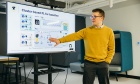
A new Dal-hosted research institute will connect researchers, students, partners and communities to advance AI research, learning and innovation rooted in Atlantic Canada.

Tuesday, August 11, 2026
A national collaboration will connect researchers and community partners to explore how relationships with animals can strengthen resilience, improve well-being and inform policy.
Friday, July 31, 2026
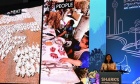
Dal PhD student Zoya Tyabji���s approach to shark and ray conservation in South Asia earned her a keynote speaker spot at the world���s largest gathering of shark and ray researchers earlier this year.
Archives - Research
Thursday, May 28, 2020
Hear from the four winners of Dal's top awards for master's and PhD students: Kayla Joyce (Psychiatry), Beth Castle (Microbiology & Immunology), Brandi Estey-Burtt (English) and Britney Benoit (Nursing).
Thursday, May 28, 2020
Dal's Canada Research Chair in Developmental Psychopathology and Youth Mental Health provides perspective on the impact of physical distancing and tips on how we can remain connected to each other, even from a distance.
Tuesday, May 26, 2020
Augmented reality textiles, work towards a Mi���kmaq biosdepository, and tumour prediction technology are among the six innovative Dal projects funded by the Government of Canada���s New Frontiers in Research Fund Exploration competition.
Friday, May 22, 2020
Of all the front-line workers stepping up around the globe to help out in the fight against COVID-19, perhaps none have been called upon quite so much as Cuba's medical personnel �����a team of 2,300 emergency medicine specialists have assisted at least 24 countries. To better understand why Cuban docs are in such high demand, we spoke to John Kirk, a professor in Dal's Department of Spanish and Latin American Studies and noted Cuba expert.
Tuesday, May 19, 2020
The first Canadian clinical trials for a potential COVID-19 vaccine will be led by researchers at AV整氈窒, with testing set to begin as early as the next few weeks.