Project Overview
Objectives
Create a community-based strategy template and design framework to help electrify transport systems across rural nova Scotia communities.泭
���This project had three key objectives:
OBJECTIVE #1
Co-develop a "strategy template" for electrification of transportation systems in rural municipalities including public transportation.���
OBJECTIVE #2
Develop micro-level design concepts to plan, design and locate public charging stations for specific communities of interest.���
OBJECTVE #3
Generate shareable knowledge for communities across Nova Scotia and Atlantic Canada.
Project Partners
 |
 |
 |
 |
 |
 |
 |
 |
 |
Community-Based Planning and Design for the Electrification of Transport Systems in Rural Municipalities
The Low Carbon Communities Rural Transportation Electrification Project is now complete. Please visit our dedicated page to read the final report and view associated project materials.
Why Do This Project?
Rural communities in Nova Scotia face unique transportation challenges, including dispersed populations, long travel distances, and limited public transit options. These factors contribute to a strong reliance on personal vehicles, making the transition to electric vehicles (EVs) critical but also complex.���������������
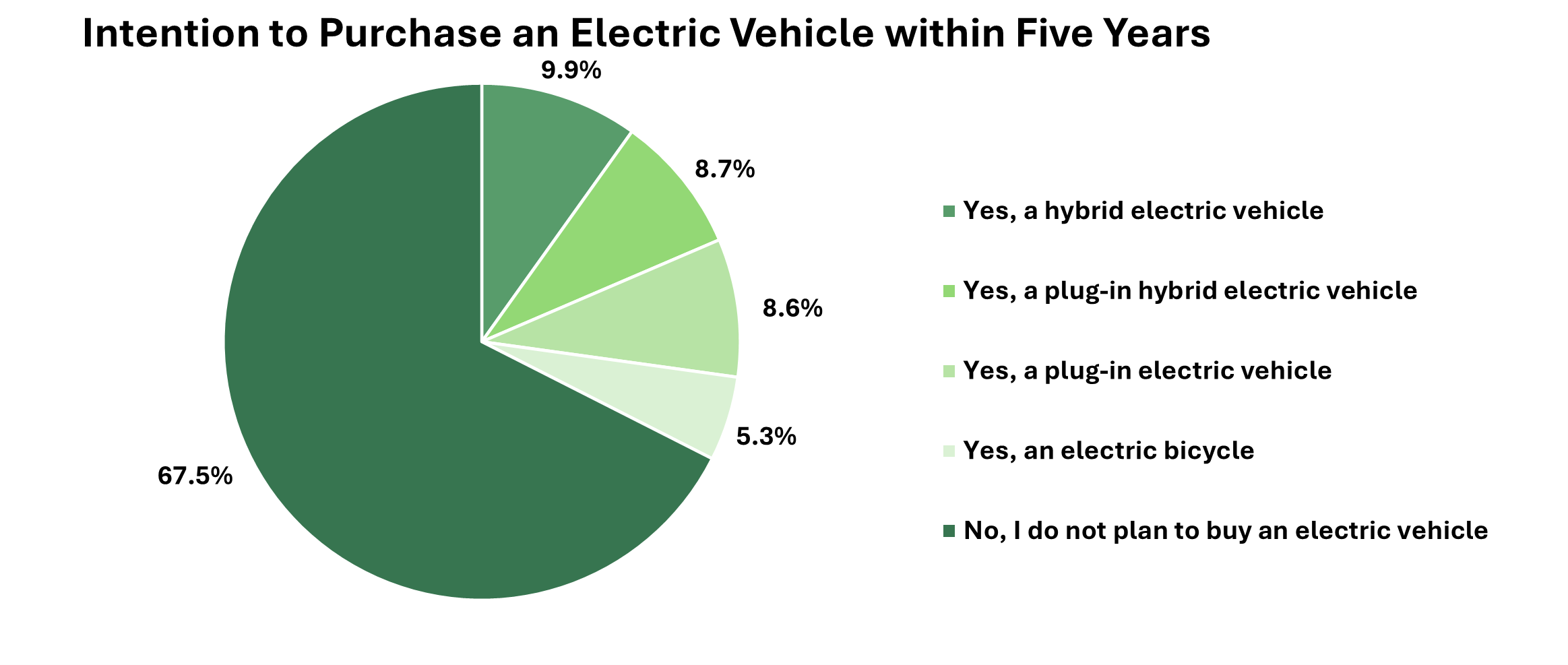
According to NovaTRAC survey data, approximately one-third of rural residents expressed interest in purchasing EVs, highlighting a growing awareness and willingness to adopt cleaner transportation options. However, barriers such as insufficient charging infrastructure, limited EV knowledge, and concerns about vehicle range remain significant obstacles.
 |
This project supported broader climate goals while promoting equitable, accessible, and sustainable transportation solutions for all residents. The project engaged diverse stakeholders from rural municipalities, non-governmental organizations, and provincial agencies to collaboratively develop electrification strategies tailored to rural Nova Scotia. Through workshops, case studies, and knowledge sharing, the project helped develop actionable frameworks which will support equitable and effective EV adoption, ultimately contributing to the province���s climate goals and improving rural mobility.
Project Approach
This project used a collaborative, community-centered approach to explore opportunities for rural transportation electrification in Nova Scotia. By working directly with municipalities and other key stakeholders, the project was able to identify local needs, challenges, and solutions that could support a just and achievable transition to low-carbon transportation.
 泭
泭
Project Activities
Stakeholder Workshops Three in-person workshops were held across the province to gather insights from rural municipal leaders, community organizations, provincial agencies, and energy providers. These sessions focused on identifying barriers, co-developing strategies, and building momentum around rural electric mobility.
Learn more about the three stakeholder engagement sessions泭here.
|

Canadian Case Studies
|
泭[PDF - 147KB]泭was conducted to identify best practices, policy models, and implementation strategies for rural EV infrastructure and services. |
Nova Scotia Case Studies
|
Profiles of Nova Scotian partner communities were developed to better understand local transportation systems, infrastructure gaps, and potential next steps toward electrification. |
Planning Framework and Toolkit Development
|
Insights from workshops, meetings, and case studies were gathered to support the creation of two planning framework and design toolkits for rural electrification. The [PDF - 111KB], and the 泭[PDF - 102KB]. |



Final Technical Report
|
d [PDF - 13.9MB], which compiled findings from community engagement, partner meetings, and case study research. It includes recommendations, community design concepts, and a template rural electrification strategy that can be adapted across Nova Scotia. |

Funding and Support
 泭
泭
This project was funded by the Low Carbon Communities (LCC) program, a provincial grant delivered through the Nova Scotia Department of Natural Resources and Renewables. The LCC program supports community initiatives across Nova Scotia that promote low carbon solutions in buildings, electricity, and transportation sectors. It funds projects that test new ideas, apply best practices, increase knowledge, and enhance equity and accessibility.
The program aims to help communities complete preparatory work needed to access implementation funding, advance innovative climate mitigation solutions led by communities, support learning through action, and contribute to socially equitable investments across the province.���